
IMMERSIVE, 9D SOUND-ENHANCED EXPERIENCE
Open the door —
TO A NEW conversation with your nervous system
Many people notice meaningful shifts in clarity, regulation, and emotional spaciousness within a single session — with deeper integration unfolding through continued practice.
Online and in-person are the same journey
Scroll Down ⬇ To Learn All About About 9D Breathwork
CLICK HERE to jump to the specific info about the Letting Go Journey.
🎧 These 5-MIN Short Sessions offer a glimpse of the
space your nervous system is learning to return to
Use Your Headphones and experience a short session right now
This experience is designed to support you to:
Feel more present, energized, and emotionally connected
Gain clarity and a renewed sense of direction
Access deeper states of awareness and inner focus
Release stored emotional tension and stress held in the body
These shifts are often noticed gradually as the nervous system becomes more familiar with this state.
Breathwork has become more visible in recent years — and you may have already tried a session or two.
The 9D experience goes beyond surface-level relaxation.
It’s intentionally designed to engage the nervous system, your body, and awareness together — creating space for real internal shifts, without needing to analyze or talk through the details.
But before I can show you the practice that’s been able to help thousands shed deep-rooted traumas, including people who’ve already done a lot of breathwork, we have to talk about the most fascinating and complex organ in the body: your brain.
To understand why this works, it helps to understand how the nervous system learns.
Most of what shapes your life…
happens beneath your awareness—
and that’s by design
Imagine Having To Remember To Breathe 20,000 Times Every Day!
We tend to believe we’re consciously choosing our thoughts, reactions, and behaviors.
In reality, only a small portion of what’s happening in the brain ever reaches conscious awareness.
The mind you notice — the thinking, planning, analyzing part — is only one layer.
Beneath that surface, your brain is constantly managing everything that keeps you alive and functioning: breathing, digestion, muscle tone, emotional responses, pattern recognition. All without asking for your permission.
And beyond even that…
there’s a deeper operating system quietly running the show.
The nervous system isn’t trying to change your life — it’s trying to keep you safe.
The body remembers what the mind forgets.
Experiences — especially emotional ones — are stored long before we have words for them.
Over time, these imprints shape how we respond to stress, connection, safety, and uncertainty.
Not because anything is “wrong” with you —
but because your nervous system learned how to protect you.
Much of this conditioning lives below conscious thought.
Which is why trying to think your way out of it can feel exhausting… or impossible.
This is why repeated experiences of safety matter more than insight alone.
Thoughts aren’t always chosen — they’re often repeated.
Research suggests we experience thousands of thoughts each day — many of them habitual, repetitive, and emotionally charged.
They play quietly in the background, influencing mood, confidence, and self-talk, often without us realizing it.
Like a radio that’s been left on in another room…
you may not be actively listening — but it still affects the atmosphere.
What is wrong with me?
I'll never do anything right.
I'll never amount to anything.
I'm stuck.
These aren’t personal failures — they’re signs of a nervous system under strain.
Over and over ... STUCK IN A LOOP
When protection becomes a pattern.
When the nervous system is constantly processing background stress
and unexamined thought patterns, the body eventually pays the price.
Not because you’re broken — but because it’s been carrying too much, for too long.
Over time, this can show up as:
Deep Exhaustion
& Burnout
Persistent Anxiety & Overwhelm
Unreleased Weight of Heavy Emotions
Body Pain, Foggy Brain and Illness
Not everyone experiences all of these — this is simply how prolonged strain can show up.
When this goes unaddressed, it can feel quietly overwhelming.
Things that once brought joy start to feel heavy.
Motivation fades.
Daily life begins to feel like something you’re surviving instead of living.
Your energy feels depleted — physically, emotionally, mentally — making it harder to show up fully for yourself and the people you care about.
And once you become aware that there’s a constant inner “noise” running in the background…patterns repeating without your consent…
What are you supposed to do?
You can’t reason your way out of something you didn’t consciously choose.
You can’t think your way through thousands
of automatic responses happening beneath awareness.
THIS IS NOT A FAILURE OF WILLPOWER — it’s how the nervous system works
9D Breathwork opens a conversation between your nervous system and heart — so the mind can finally rest.
HOW DOES BREATHWORK DO THIS?
By Guiding the BODY into a “Theta-Like” State
Despite how simple it may sound, this isn’t about flipping a switch in the brain.
You don’t need to make this happen — the body responds naturally to your breath.
When the breath changes, the nervous system follows.
If we were to observe brain activity during a breathwork session, we’d see the mind gradually shift out of its busy, analytical mode — the state we live in most of the day — and move into slower, more integrative rhythms.
This is where the mind becomes quieter…
and the body becomes more receptive.
Why Theta Matters
Theta is often associated with deep relaxation, creativity, intuition, and emotional processing.
It’s the state where the inner world becomes more accessible — without force or effort.
Interestingly, this is the same state we spent much of our early childhood in.
Before logic and reasoning were fully online, the nervous system was learning directly from experience — through sensation, emotion, and environment.
Those early impressions shaped how we learned to respond to stress, safety, connection, and self-expression. Not consciously — but somatically.
Theta is a state your body recognizes. You’ve been here before — naturally
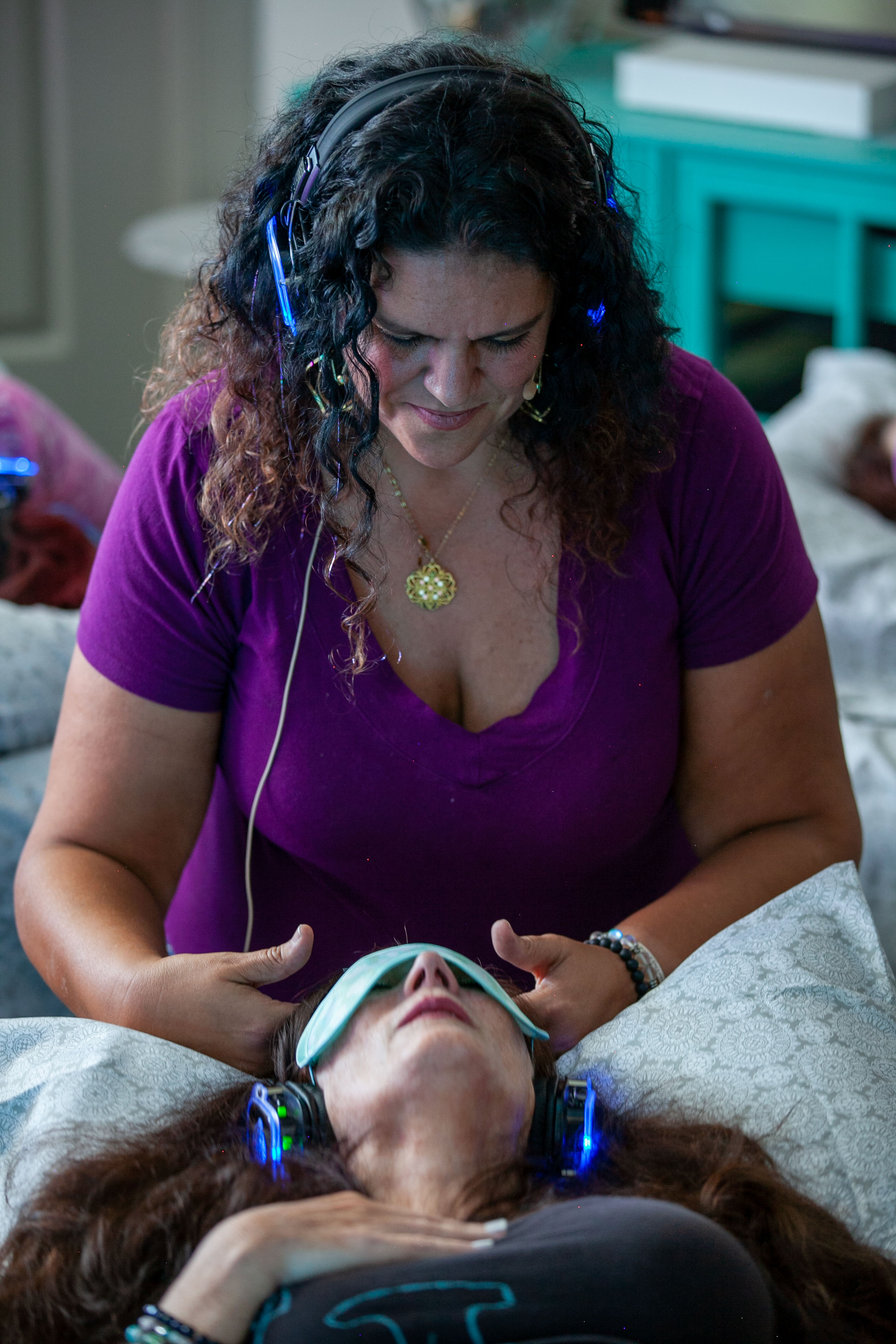
YOUR BREATH BECOMES THE BRIDGE
As adults, many of those early patterns still live in the body, even when we’ve long outgrown the circumstances that formed them.
Breathwork offers a way back — not to relive the past, but to gently access the state where those patterns can finally soften and reorganize.
With repetition, this state becomes more familiar
Through guided breathing, sound, and facilitation, the body is invited into a state where release happens naturally — without needing to analyze, remember details, or “try” to heal.
This is why breathwork meets the body first — and invites the mind to follow.
Allow Me To Introduce Myself:

hi, I’m JESSICA BRACE
Before breathwork became my work, I had already spent years immersed in personal development — mindset, NLP, hypnosis, and trauma-informed practices.
From the outside, everything looked successful. I was driven, capable, and deeply committed to growth.
Inside my body, it felt very different.
My nervous system lived in a near-constant state of high alert. Loud noises, sudden movement, even small disruptions could send my body into response before my mind could catch up.
I could understand what was happening — but understanding alone didn’t create safety.
That began to change when I experienced breathwork for the first time.
Following the breath, something shifted — not through effort, analysis, or conscious control, but through sensation and rhythm.
My body softened in a way thinking never achieved. That experience didn’t “fix” me — it marked the beginning of a different relationship with my nervous system.
Over time, as I continued returning to the breath, I noticed something remarkable: patterns my body had learned long ago began to loosen.
Not because I forced them to change — but because my body was learning that something new was safe.
This is why I guide breathwork journeys today.
Not to fix anyone.
Not to force release.
To support the body in remembering how to let go — again and again.
TRUE Science, SOMATICS
or Something else entirely?
How Does Breathwork WORK?
Breathwork has become more visible in recent years as more people look for natural ways to support stress, emotions, and mental clarity.
While it may seem new, forms of intentional breathing have existed for thousands of years. Across cultures and traditions, breath has long been used to influence energy, focus, and physiological state.
What’s new is not the practice — but our modern understanding.
Today, neuroscience and nervous system research offer language for what the body has always known: breath is one of the most direct ways to influence the body–mind connection.
You don’t need to understand any of this for breathwork to be effective.
So what happens in a 9D breathwork session?

A Nervous System Reset (or Reorientation)
Intentional breathing patterns directly influence the autonomic nervous system. As the breath shifts, the body receives signals of safety, allowing long-held tension and stress responses to soften. This creates space for old patterns — emotional, mental, and behavioral — to loosen without force.
Somatic (of the body) Emotional Release:
Emotions aren’t stored only in thoughts — they’re stored in the body.
Through conscious breathing, sensations and emotions that have been held beneath awareness may begin to move and release naturally, without needing to retell the story or analyze the past.
A Shift In Perception and Awareness:
As the body settles, awareness expands. Many people notice a change in how they relate to their thoughts — less identification, less grip. Perspective widens. Inner space opens. This is often where clarity, insight, and a sense of emotional relief emerge. These shifts are often noticed more clearly with repetition.
"Everything can be taken from a man but one thing: the last of the human freedoms—to choose one's attitude in any given set of circumstances, to choose one's own way" -- Victor Frankl, Mans Search For Meaning

Slowing the Mind From Doing to Being:
In a deep theta state, the body relaxes and the constant mind chatter begins to subside. The nervous system shifts out of doing and into rest, allowing the brain to pause, soften, and go deeper into relaxation and release.

From Overthinking to Ease:
In this slower state, the need to figure things out disappears. Awareness widens, intuition awakens, and a sense of flow emerges — natural, effortless, and deeply connected. This may come and go during a session — that’s normal.
A Deeply Personal and Meaningful Experience:
For some, breathwork is simply calming and grounding.
For others, it becomes deeply connective — to themselves, their inner world, or something larger than words.
This doesn’t require belief or ideology.
It’s a natural response to being fully present in the body.
For many, this becomes a space they return to as life unfolds.
Breathwork works because it doesn’t bypass the body — it listens to it.
When the body feels safe enough, change doesn’t need to be forced.
It just happens.
The door is open — you’re invited
9D Breathwork IS HERE
Breathwork re-imagined through
immersive sound and intentional guidance
A 9D breathwork is designed to be felt more than understood.
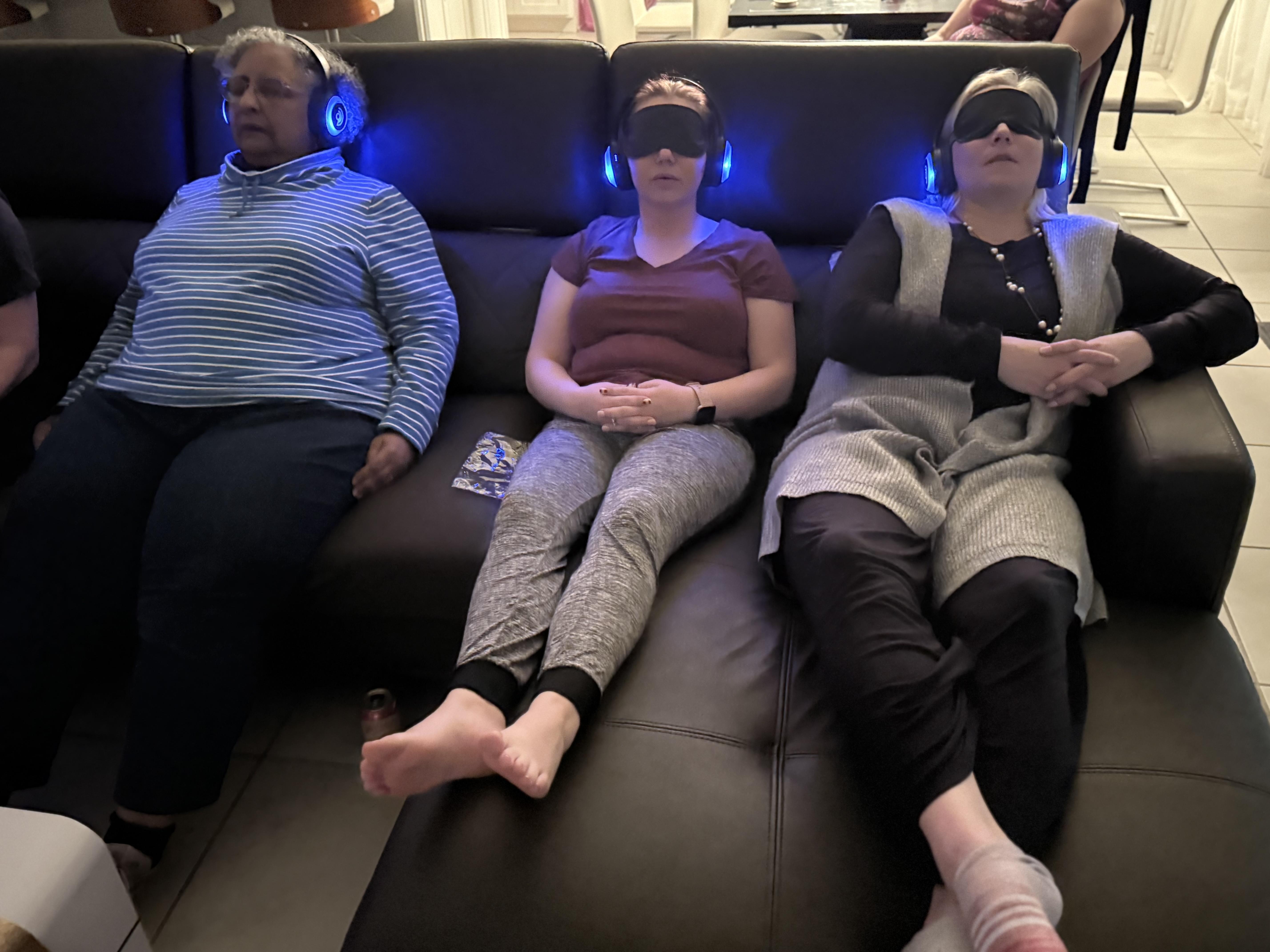
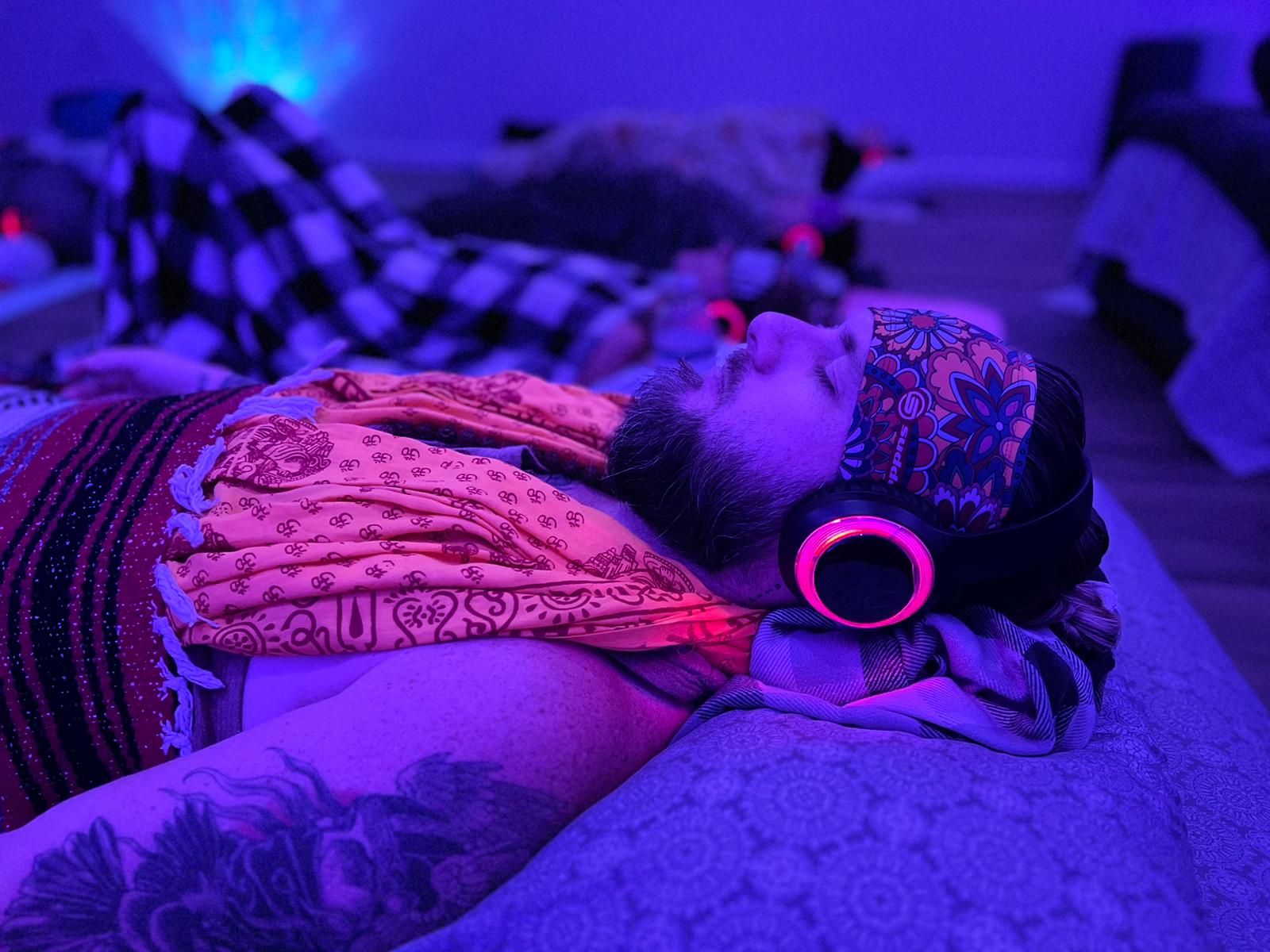
It is a guided, sound-supported breathwork experience that helps the body shift out of stress and into a state of calm awareness.
As you settle in, the body is gently guided out of its usual state of effort and into something slower, quieter, and more inward. Breathing becomes rhythmic. The nervous system begins to soften. The constant need to manage, analyze, or stay alert starts to fall away.
Rather than working through the mind, the experience meets you in the body — where tension, memory, and emotion are often held without words. As the breath deepens and sound surrounds you, space begins to open. Sensations shift. Awareness moves inward.
The layered soundscape supports this descent, helping the mind slow and the body relax into deeper states of presence.
Time can feel different here.
Thoughts loosen.
The edges soften.
There’s nothing to fix.
Nothing to force.
Nothing to figure out.
And many people choose to return to this space as their nervous system learns.
Just an invitation to let the body do what it already knows how to do — release… reorganize… and rest.…in its own time.
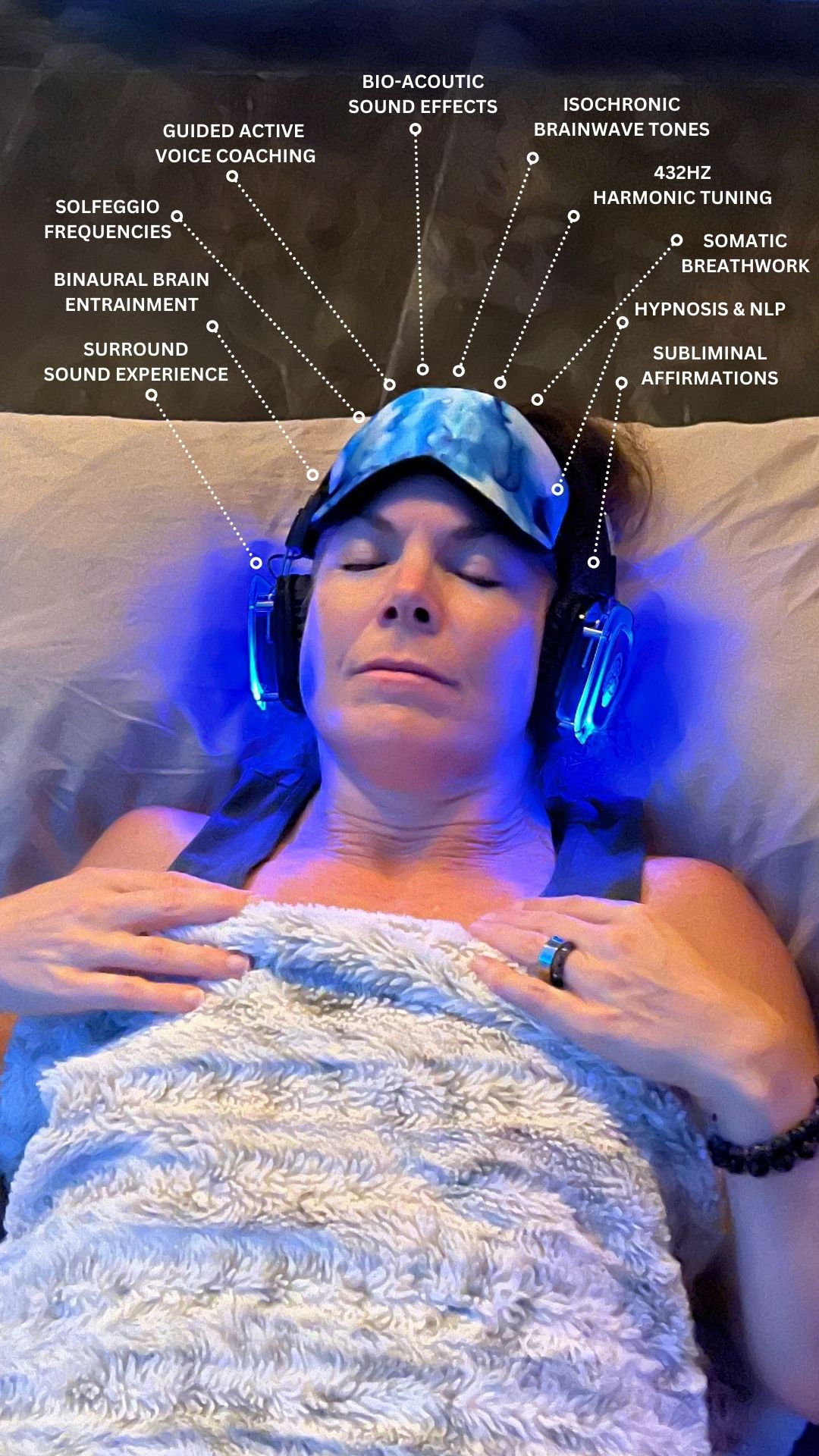
Why do Binaural beats , Isochronic tones ,
and Solfeggio frequencies matter?
You don’t need to understand these for them to be supportive.
BINAURAL BEATS
Binaural beats use slightly different tones in each ear to create a subtle rhythmic experience in the brain. Rather than forcing change, they support the nervous system in settling into a more relaxed, receptive state. Many people describe it as a sense of mental spaciousness — like the mind finally has room to breathe.
ISOCHRONIC TONES
Isochronic tones use a steady, pulsing sound pattern that the brain can easily follow. Unlike binaural beats, they don’t require headphones in each ear. These tones are often used to support relaxation, focus, and present-moment awareness throughout the experience.
SOLFEGGIO FREQUENCIES
Solfeggio frequencies are included as a supportive layer within the soundscape. Rather than aiming to “fix” or change anything, they help create an environment that feels soothing and emotionally supportive.
These frequencies are experienced subjectively — there’s no right or wrong way to feel.
Together, these sound elements work quietly in the background, supporting the nervous system while the breath does the leading.
In deeply relaxed states, the mind naturally steps back and the body takes the lead. Attention turns inward, and patterns that have quietly shaped reactions, emotions, and habits are given space to soften and reorganize — without needing to analyze or relive anything.
This experience is supported by a richly layered sound environment that surrounds you and deepens the journey. Rather than simply listening, you’re immersed — allowing sound to guide awareness, sensation, and inner imagery in a way that feels intuitive and embodied.
Within this soundscape, gentle vocal guidance offers orientation and support. You’re invited to notice what arises, meet it with curiosity, and move through internal landscapes that often remain just outside everyday awareness.
Subtle language patterns and reflective prompts are woven throughout the experience — not to force change, but to offer the mind and body new options, at a pace that feels safe and natural.
For many, the impact isn’t limited to what’s felt in the moment. It often shows up later as a quieter inner dialogue, more emotional space, and a different relationship with familiar patterns.
Not because anything was “fixed,”
but because the system was given room to respond — and to return to a state of greater ease.
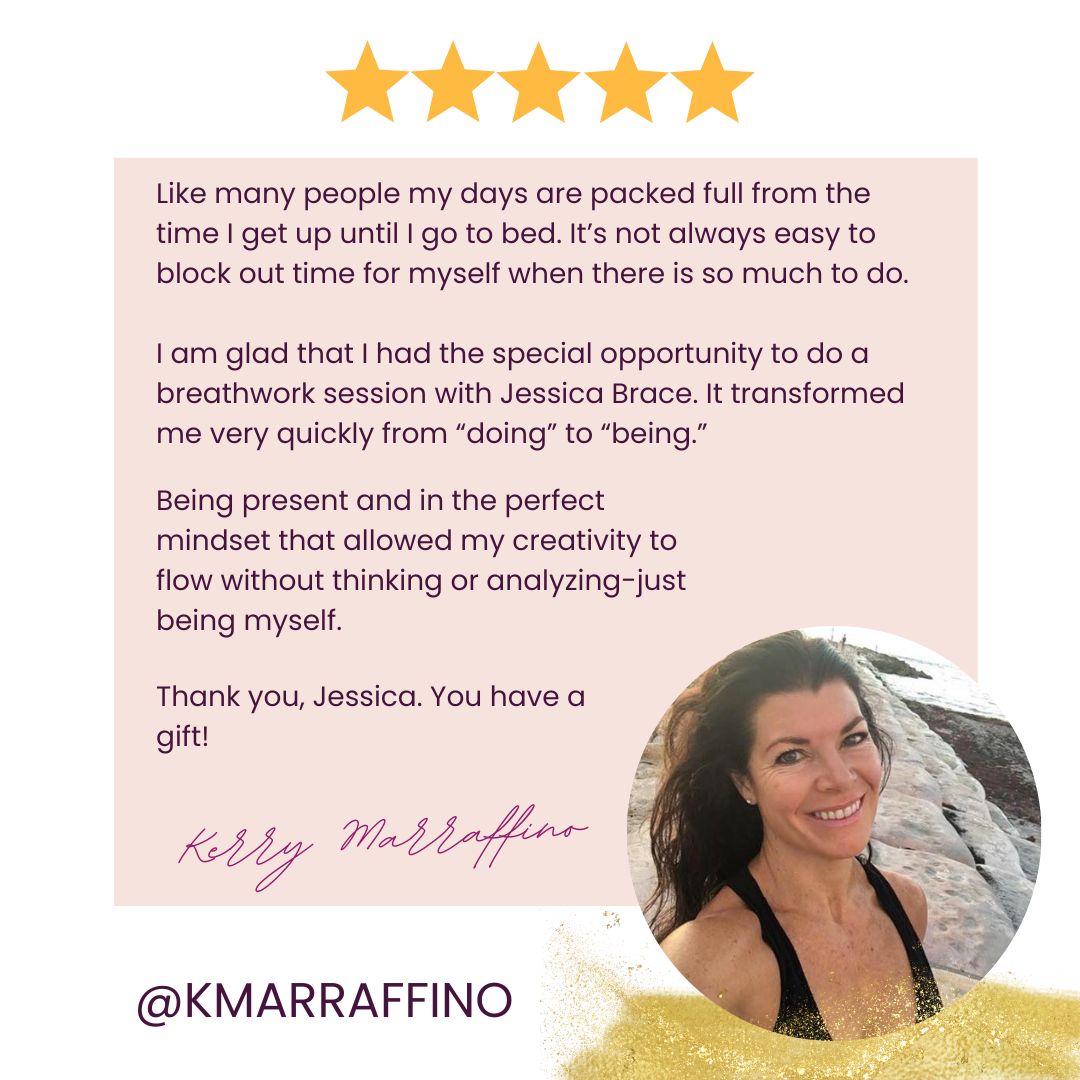
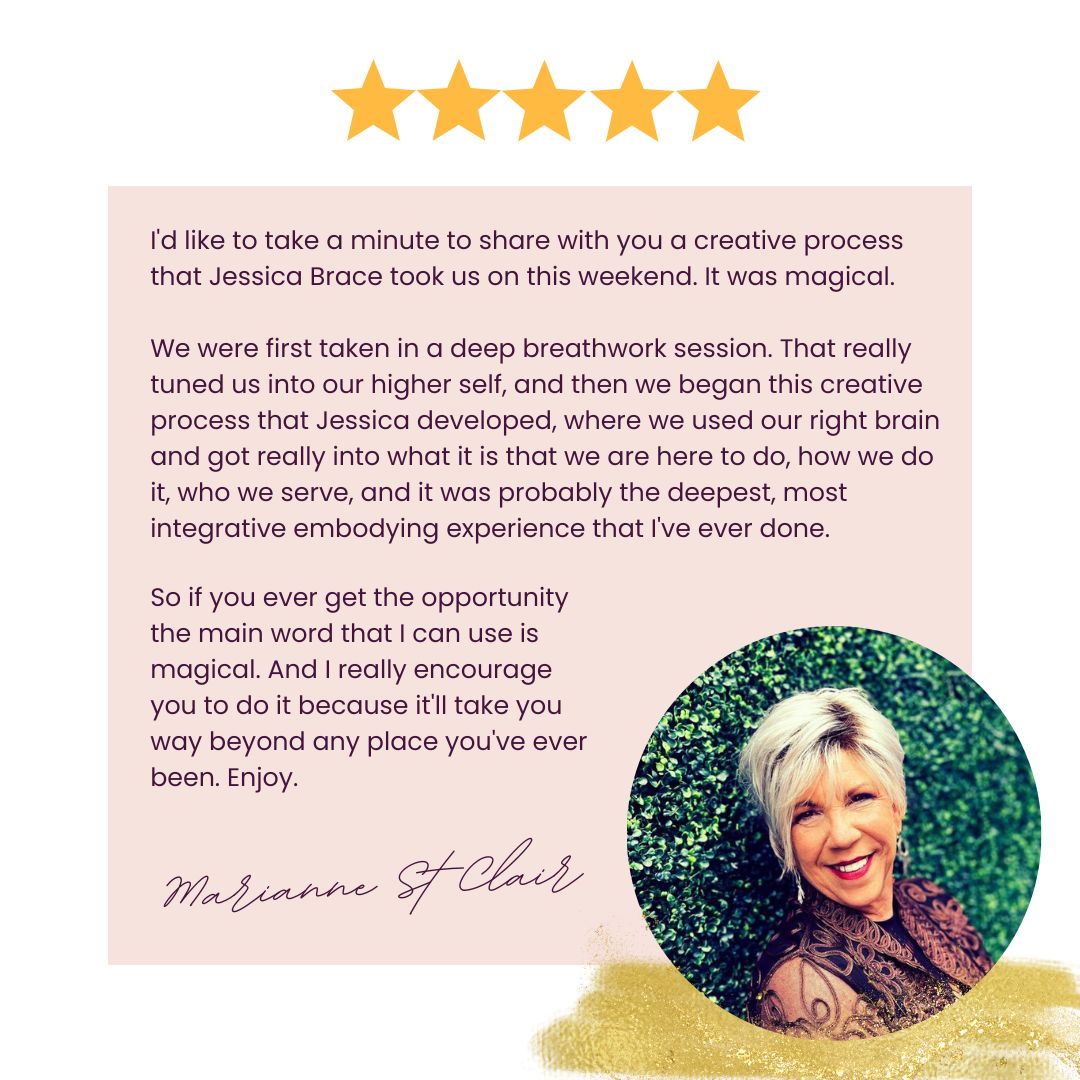
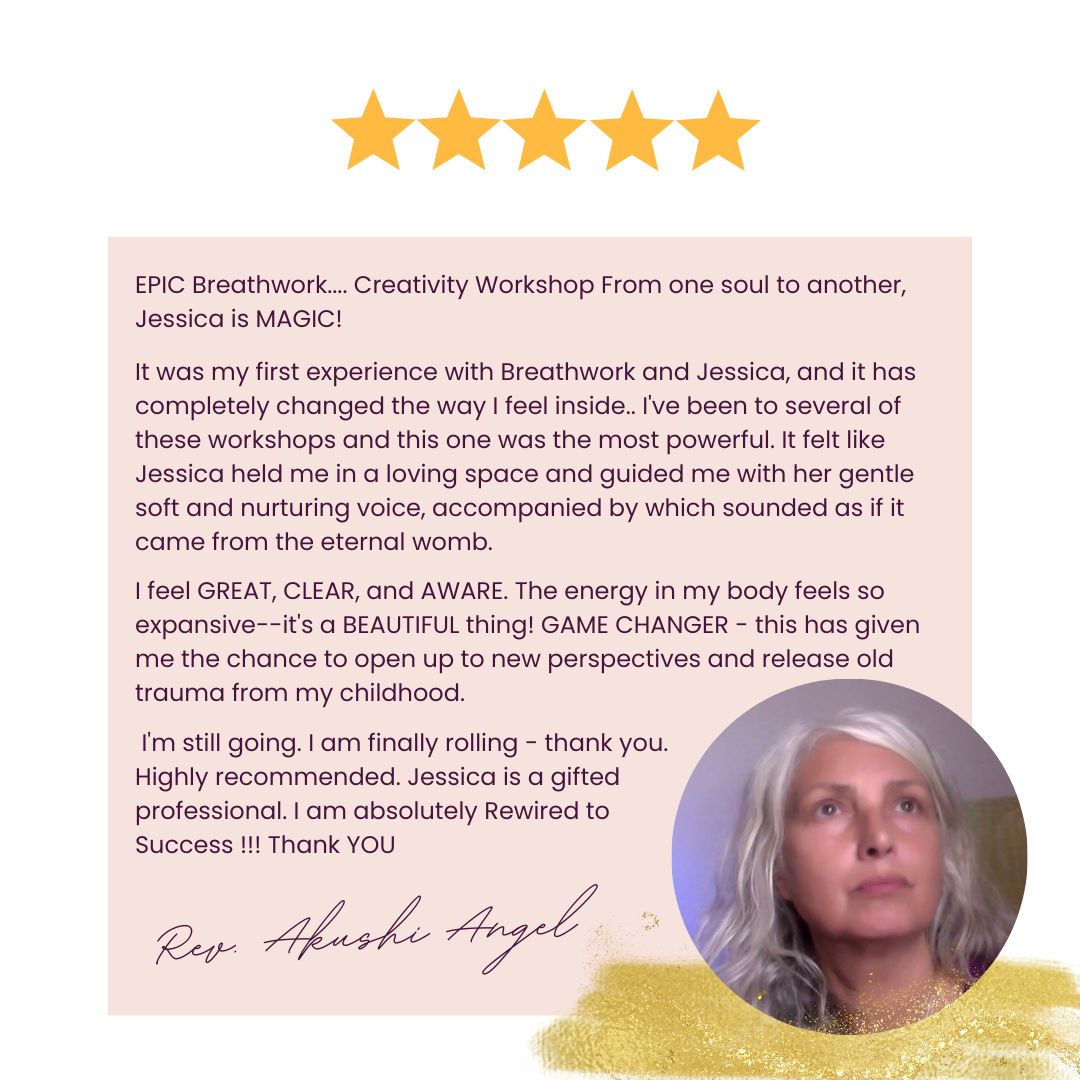
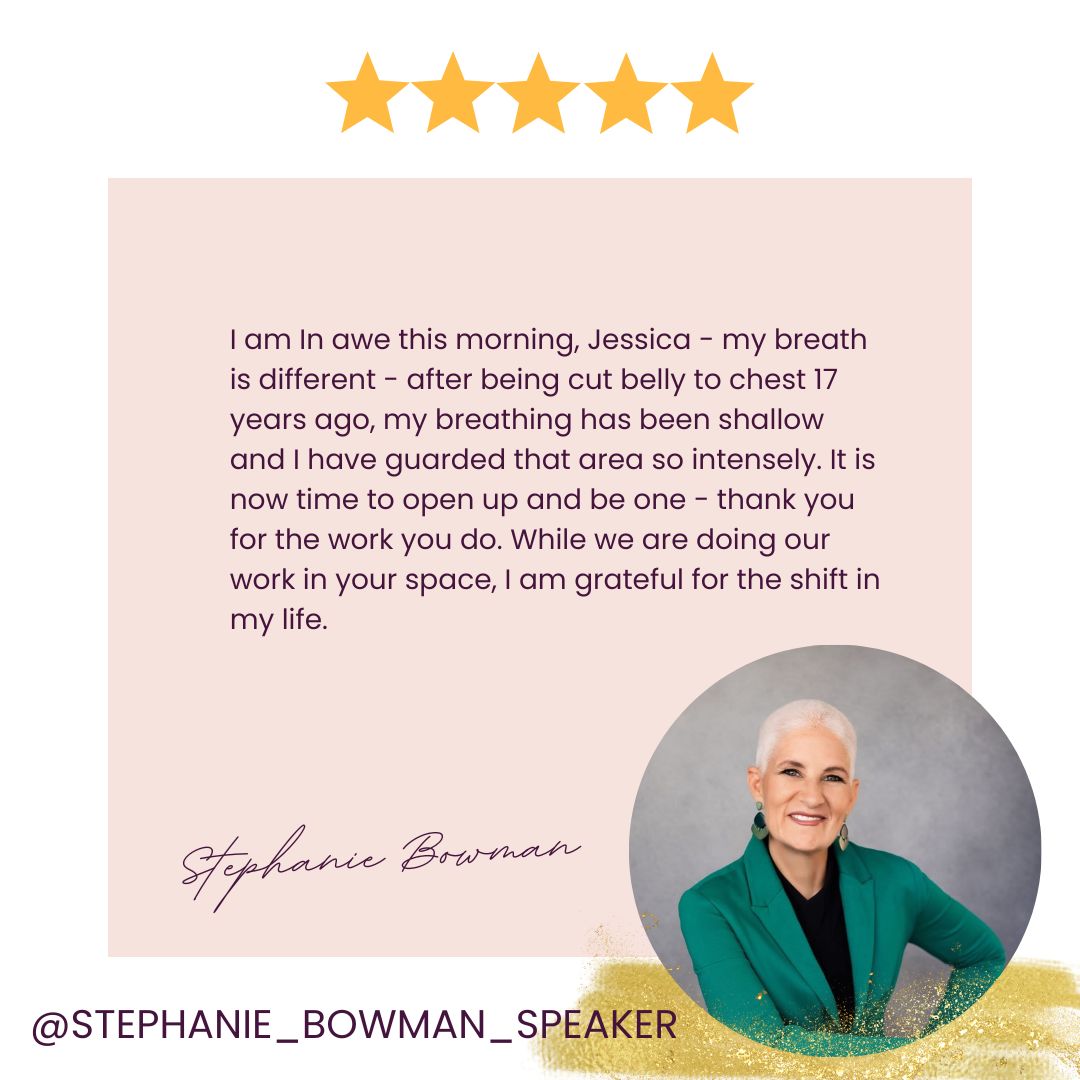
Here’s what PEOPLE ARE SAYING about their experience with THIS ENHANCED SOUND IMMERSION BREATHWORK
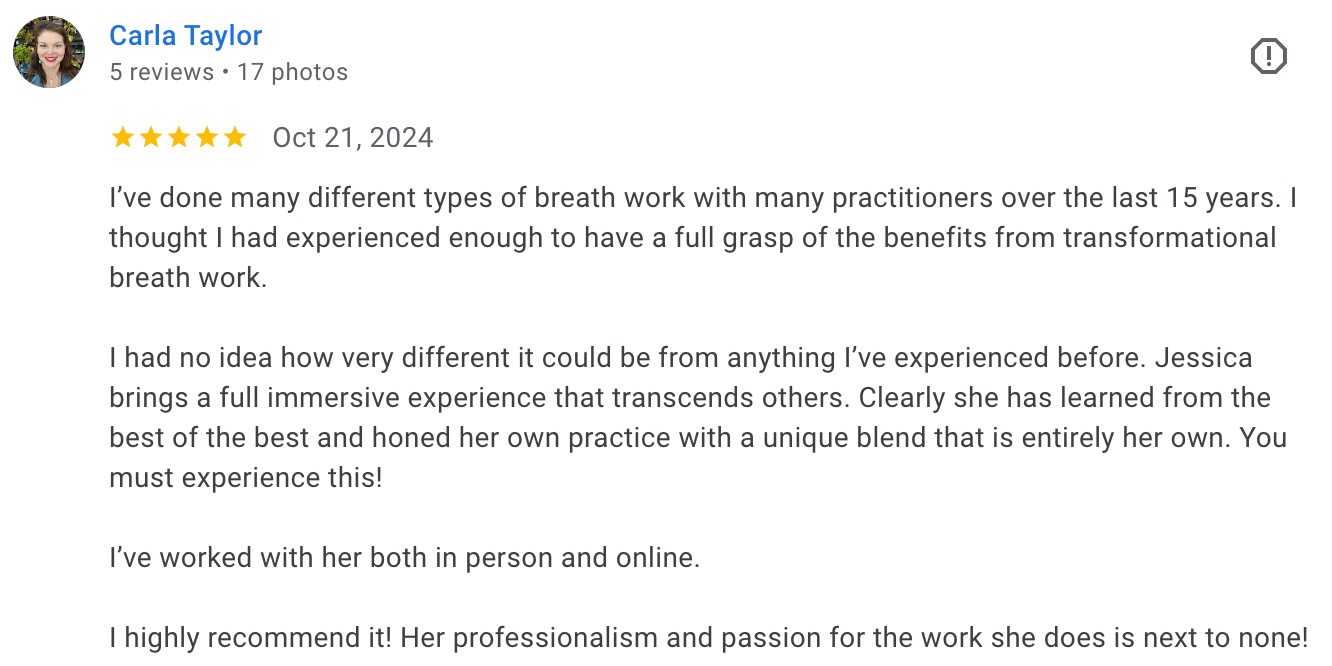
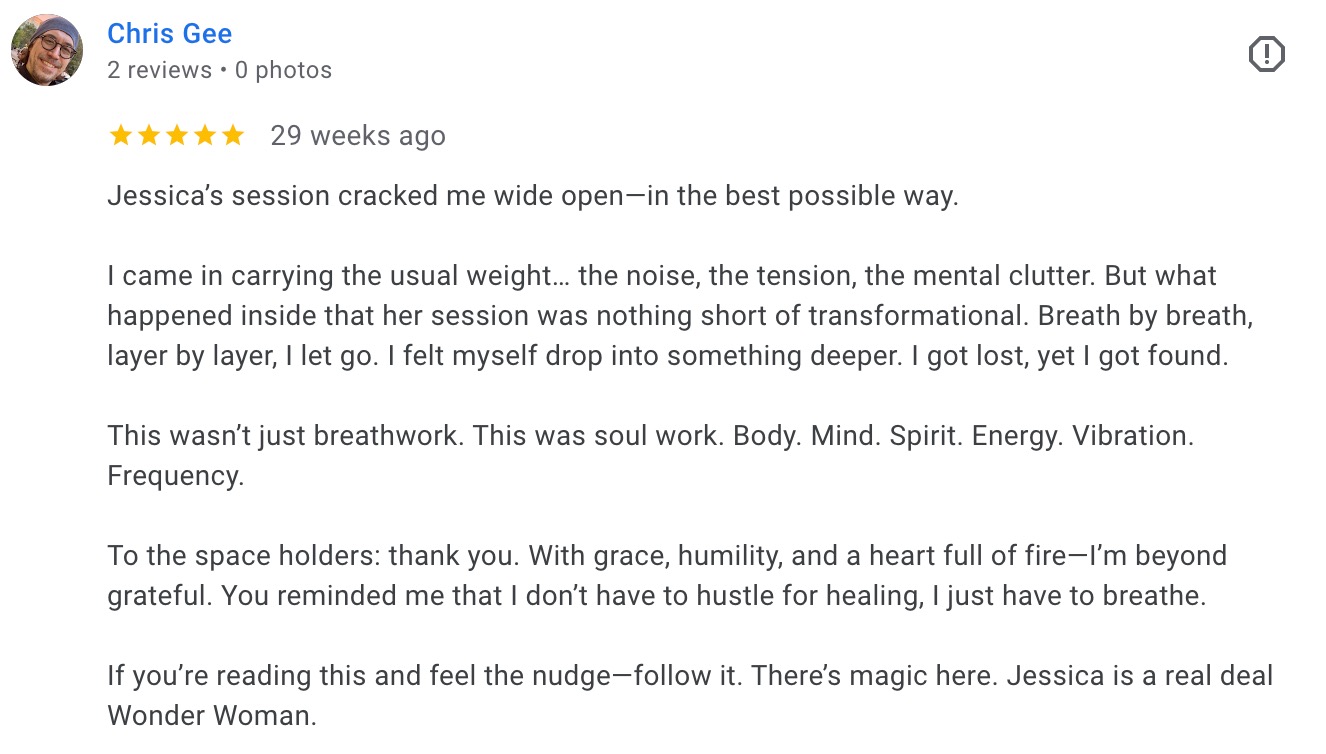
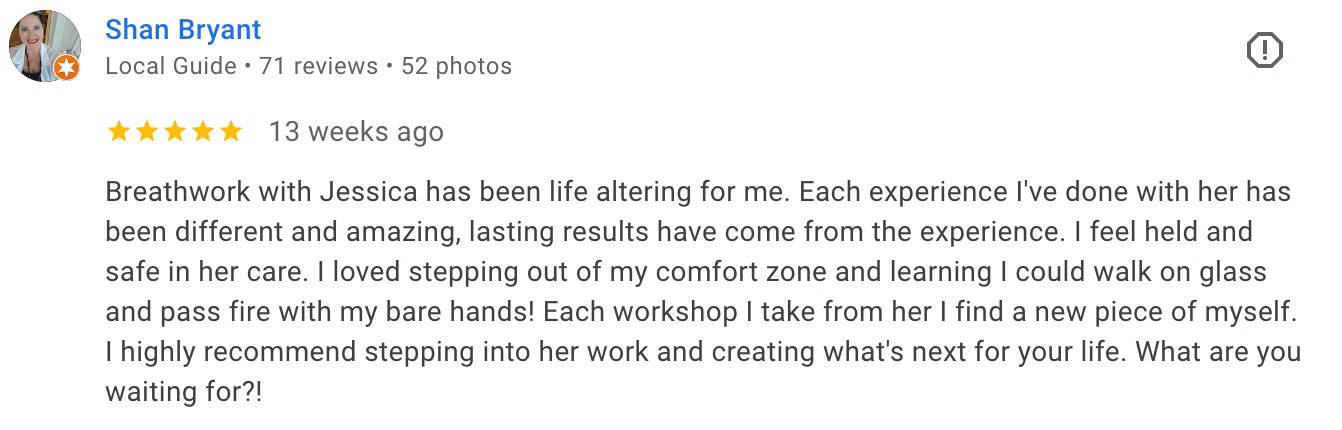
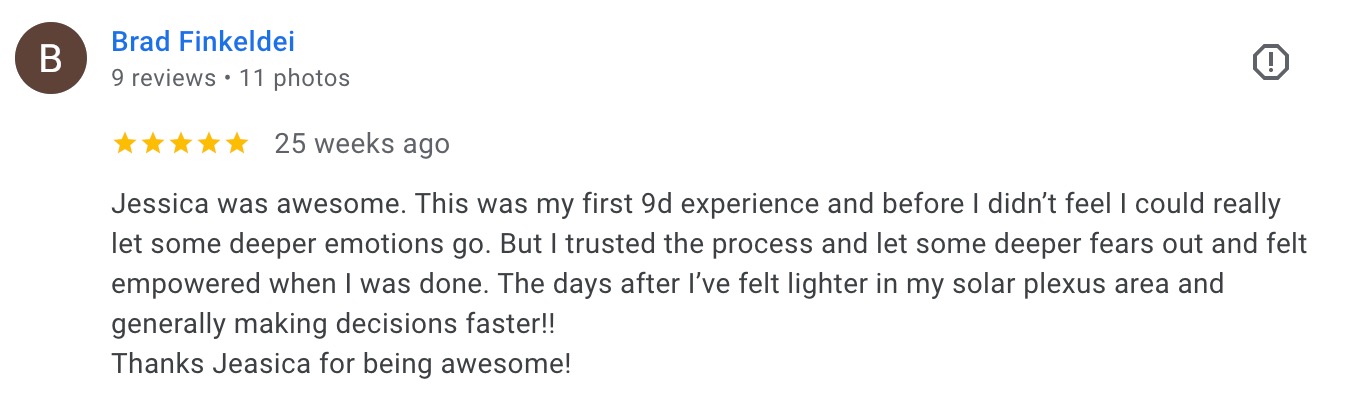
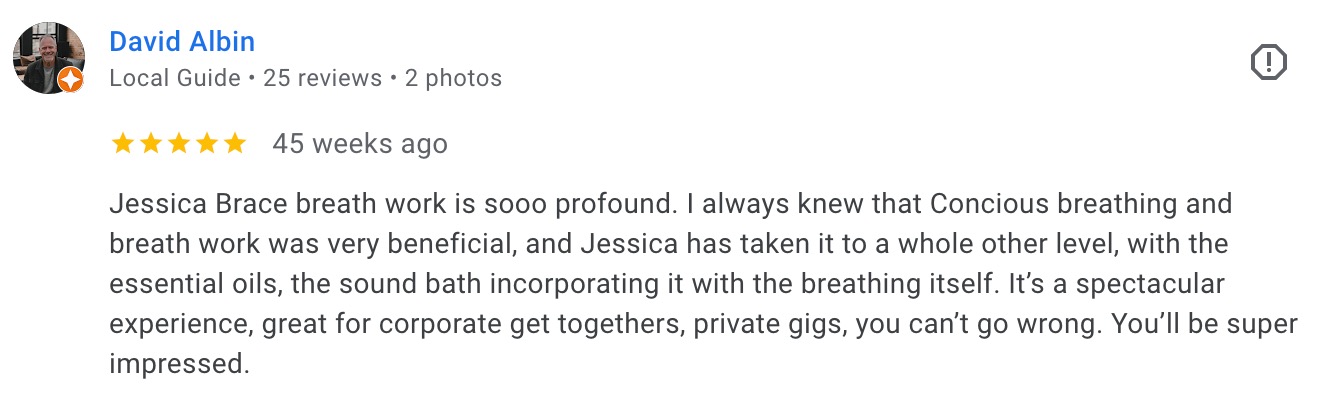
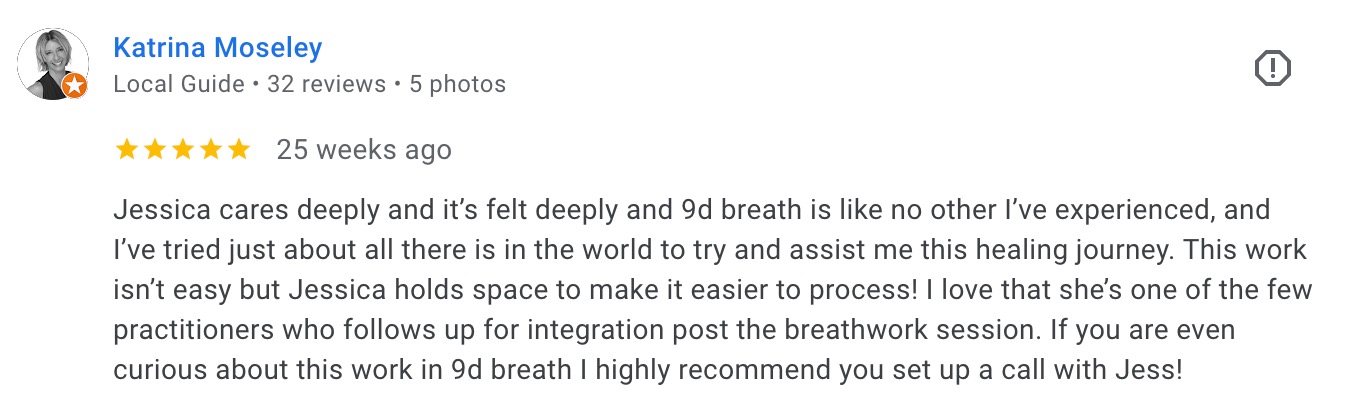
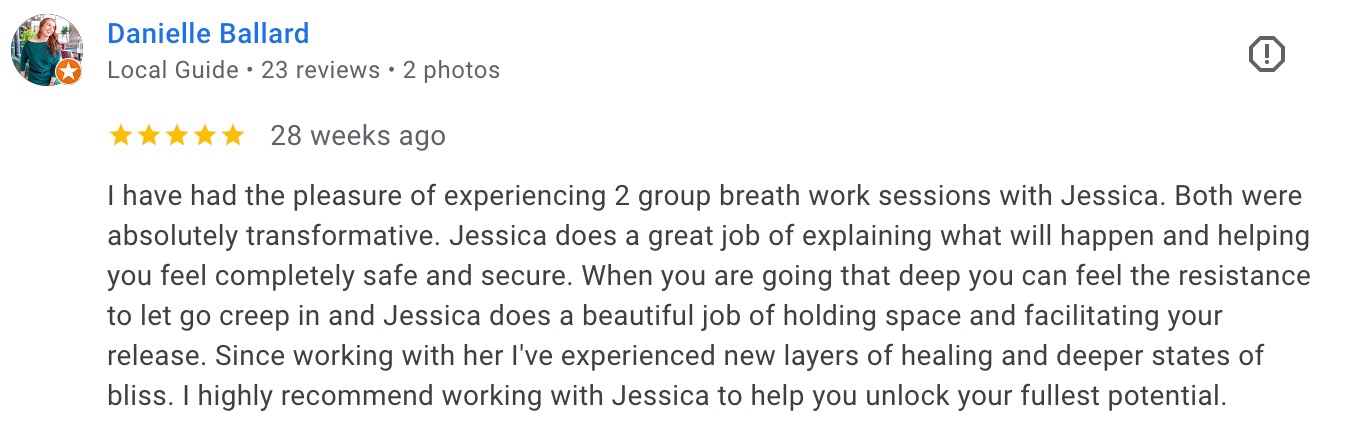
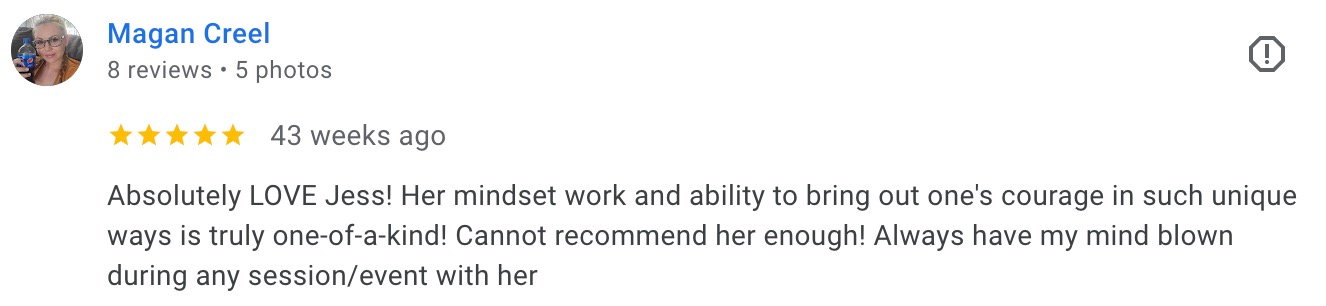
These are just a few early reflections. Each experience is different —
and what unfolds often continues to deepen over time.
1000's of STUDENTS... Here’s what people often notice as they CONTINUE A 9D PRACTICE
✔ Feeling more alive and re-engaged with life — a renewed sense of energy and momentum
✔ Gaining clarity and direction, especially after feeling stuck or uncertain
✔ Accessing altered states of awareness that offer new perspective and insight
✔ Feeling lighter, more open, and more emotionally spacious
✔ A sense of release around old emotional weight, past experiences, and long-held tension
Not everyone experiences all of these — and they often unfold gradually.
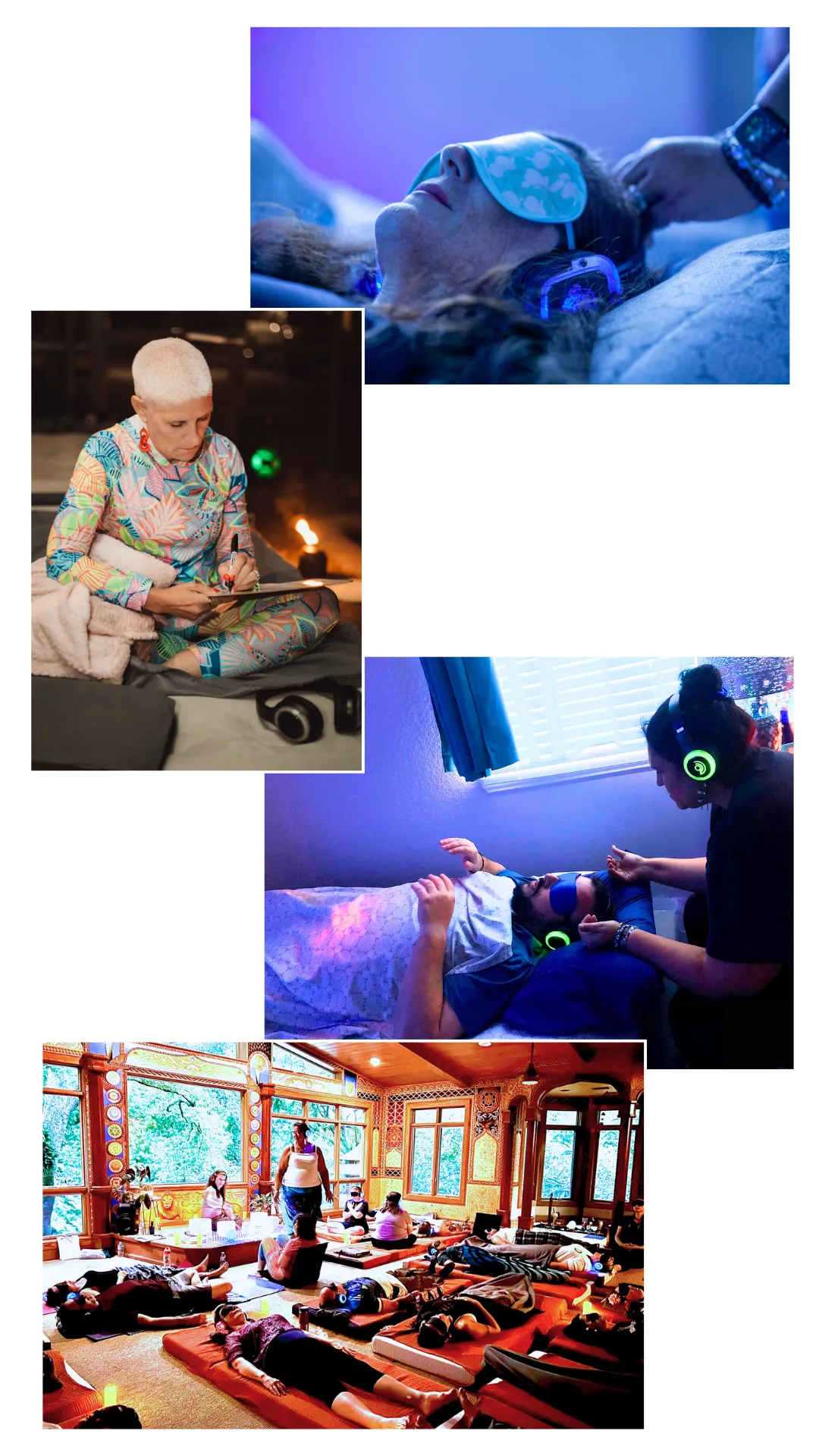
Imagine what it might feel like to no longer carry so much —
not because life suddenly becomes perfect, but because your system feels more supported.
How might challenges feel different as your nervous system builds more capacity?
If your default state felt steadier… more grounded… more clear?
Many people notice that when they stop holding everything so tightly inside, life begins to feel more vivid. The moments of joy land more fully.
The difficult moments still arise — but they’re easier to meet, process, and move through.
Not by bypassing emotions.
Not by forcing positivity.
But by allowing what’s already there to flow instead of staying stuck.
Life doesn’t stop being life —
but your relationship to it can soften.
And that changes everything.
That’s the kind of experience
9D Breathwork is designed to support
As your guide, I have a growing collection of immersive 9D Breathwork journeys you can explore — including Letting Go, a session designed to support release, clarity, and nervous-system reset.
The real question becomes…
what would it feel like to begin?
The Journey To Letting Go
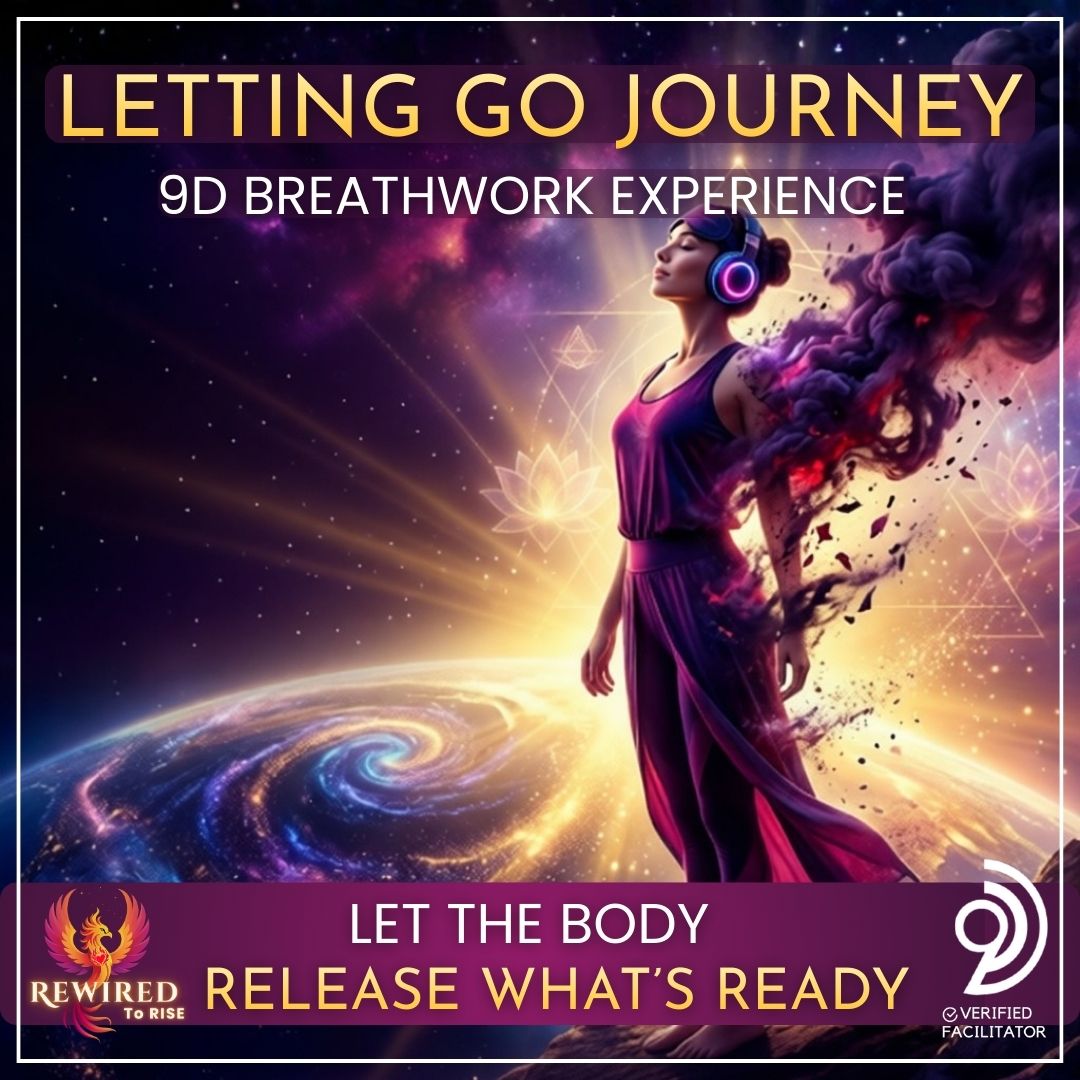
The Letting Go Journey is an immersive breathwork experience created for moments when release feels closer than words.
It’s designed for people who find themselves holding onto things they’ve already tried to move beyond — past experiences, lingering emotions, or patterns that no longer fit who they’re becoming.
Rather than forcing release, this journey offers a supportive space where the body can soften and awareness can turn inward. From there, insight, clarity, and a deeper sense of connection often emerge naturally — at a pace that feels manageable.
We carry more than we realize.
Anger.
Shame.
Old moments we thought we’d already moved past.
Even when we believe we’ve “worked through” these experiences, the body may still be holding onto them — not because anything is wrong, but because they were never fully released. They were simply set aside.
Letting go doesn’t happen in the mind.
Understanding brings insight — but release happens in the body.
The Letting Go Journey is a breathwork experience designed to help you feel what’s ready to shift — without effort, without force, and without needing to figure anything out.
You’re guided to breathe, soften, and allow.
As tension unwinds, many people describe feeling lighter — not because the past is erased, but because it no longer holds the same weight.
That’s the beginning of the art of letting go.
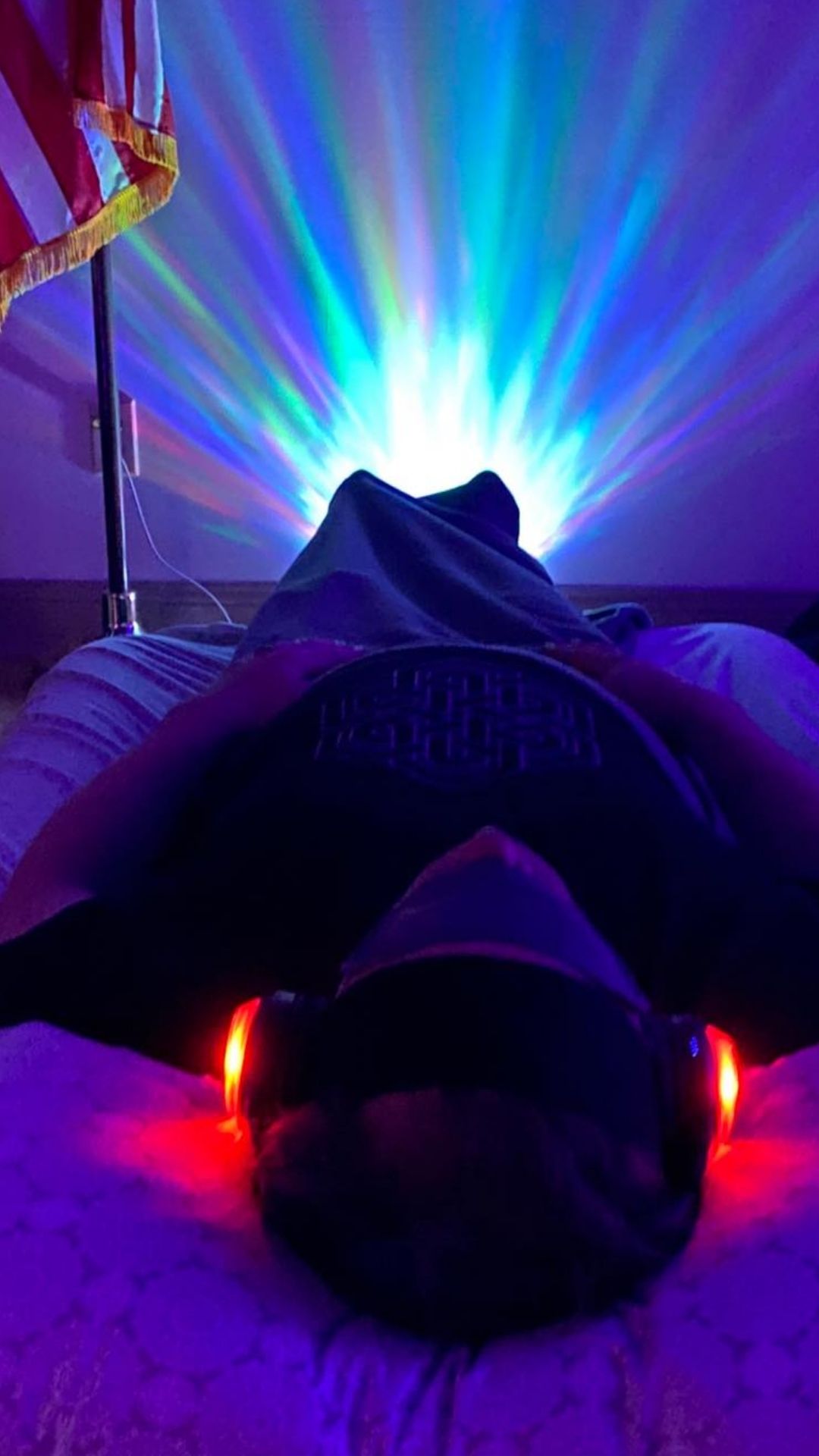
If this resonates with you, you’re invited to choose what comes next.
If this resonates with you, you’re invited to choose what comes next.
There’s nothing wrong with staying where you are.
And there’s also nothing wrong with wanting something to feel different.
For many people, the Letting Go Journey is simply a place to begin —
a first conversation with the body,
a pause from managing and pushing,
a space to see what happens when the breath leads.
You don’t have to be certain.
You don’t have to be “ready.”
You don’t even have to fully understand it.
You’re invited to show up, put on your headphones, settle in,
and allow the body to experience something different — at its own pace.
For some, one session offers insight.
For others, it opens the door to an ongoing practice.
There’s no right way to begin.
If you feel curious, this journey is available to you.
You’re welcome to return to this journey as often as feels supportive.
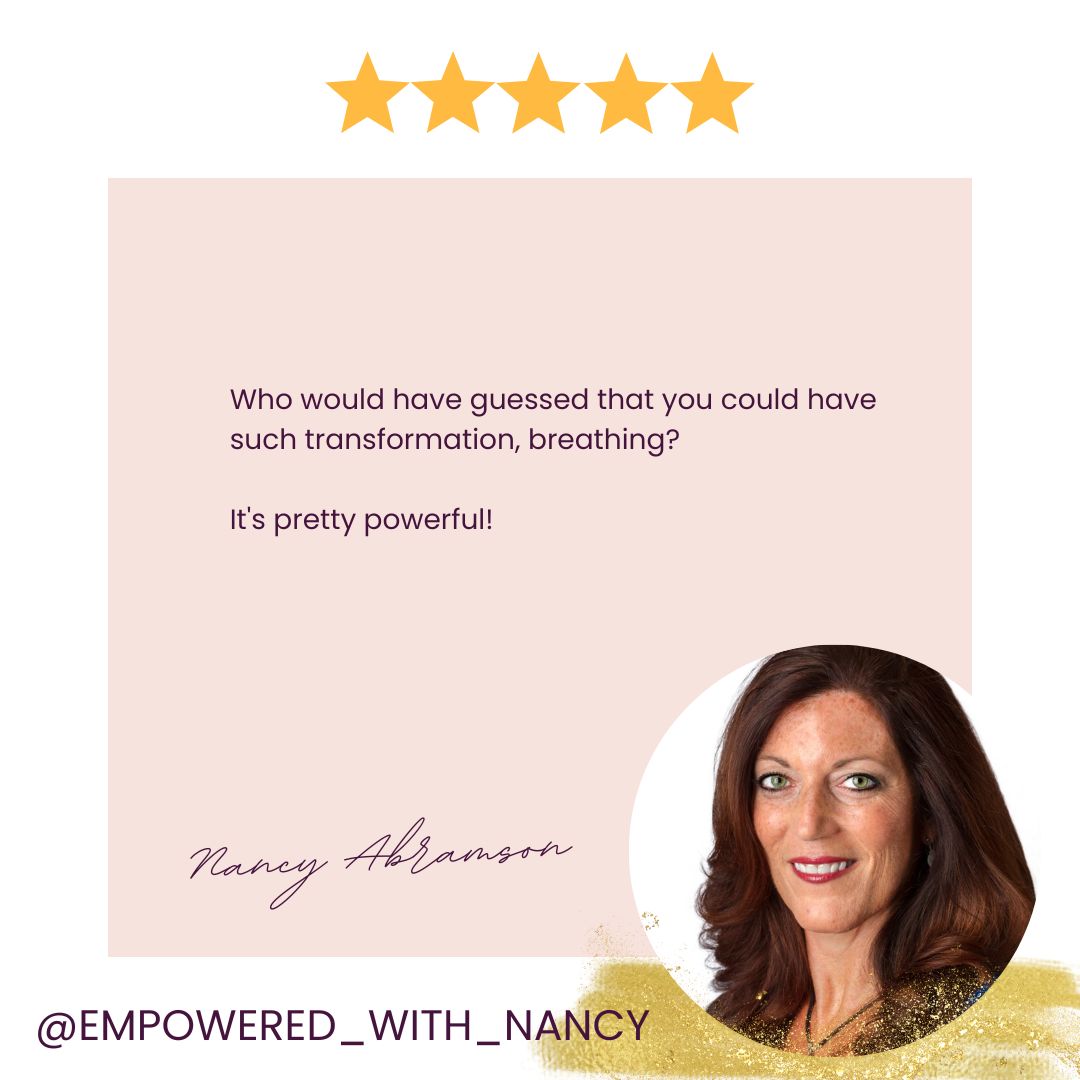
WHAT PEOPLE ARE SAYING
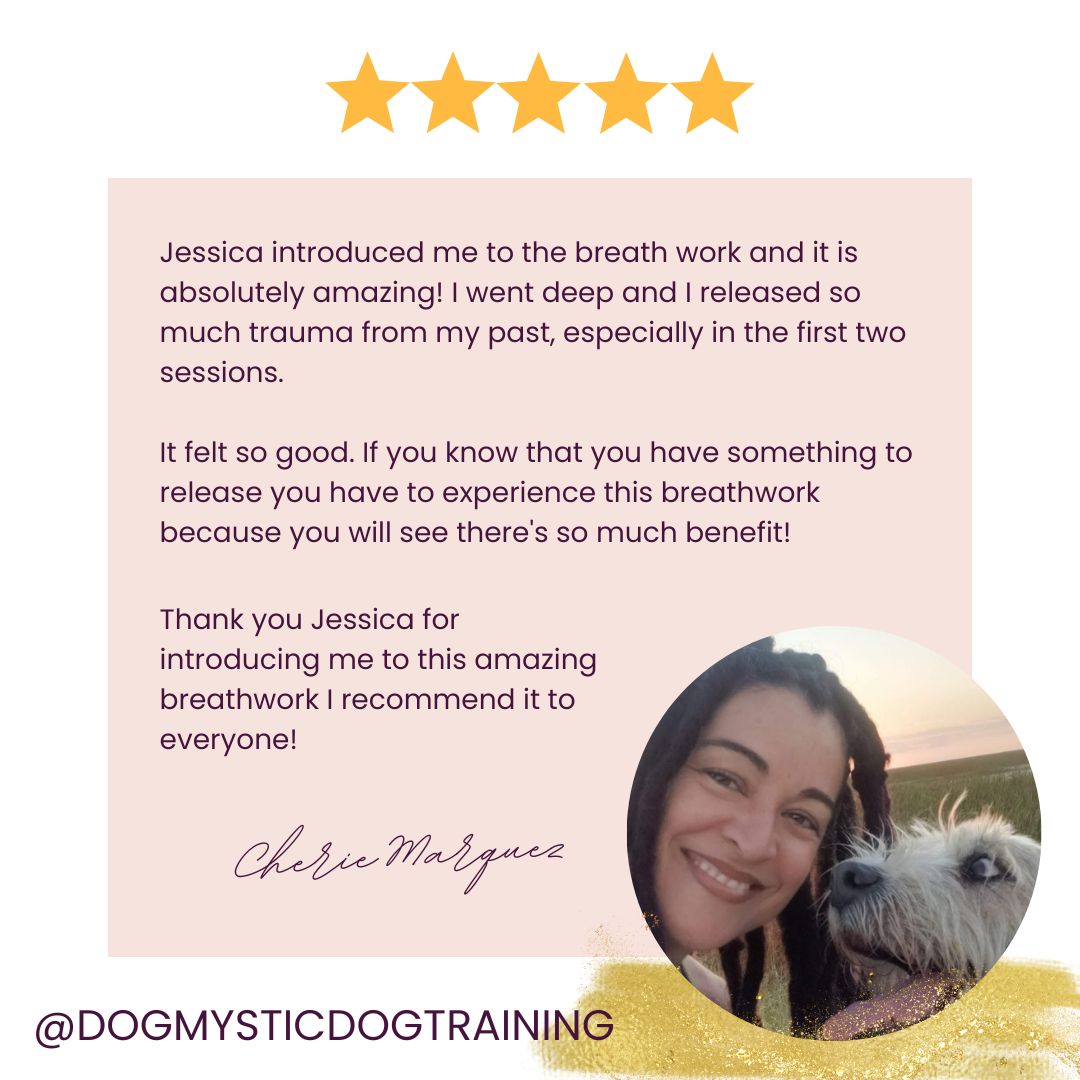
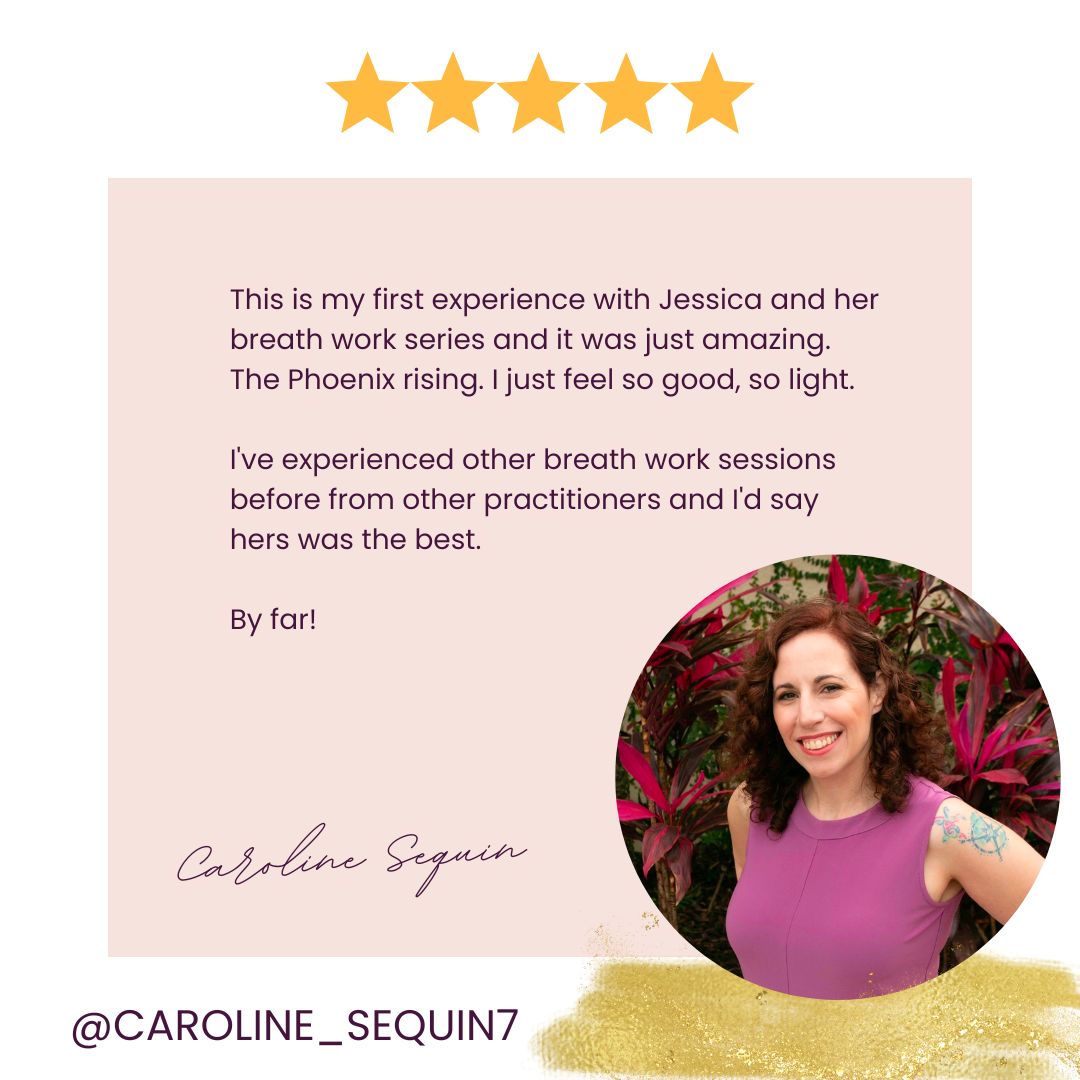
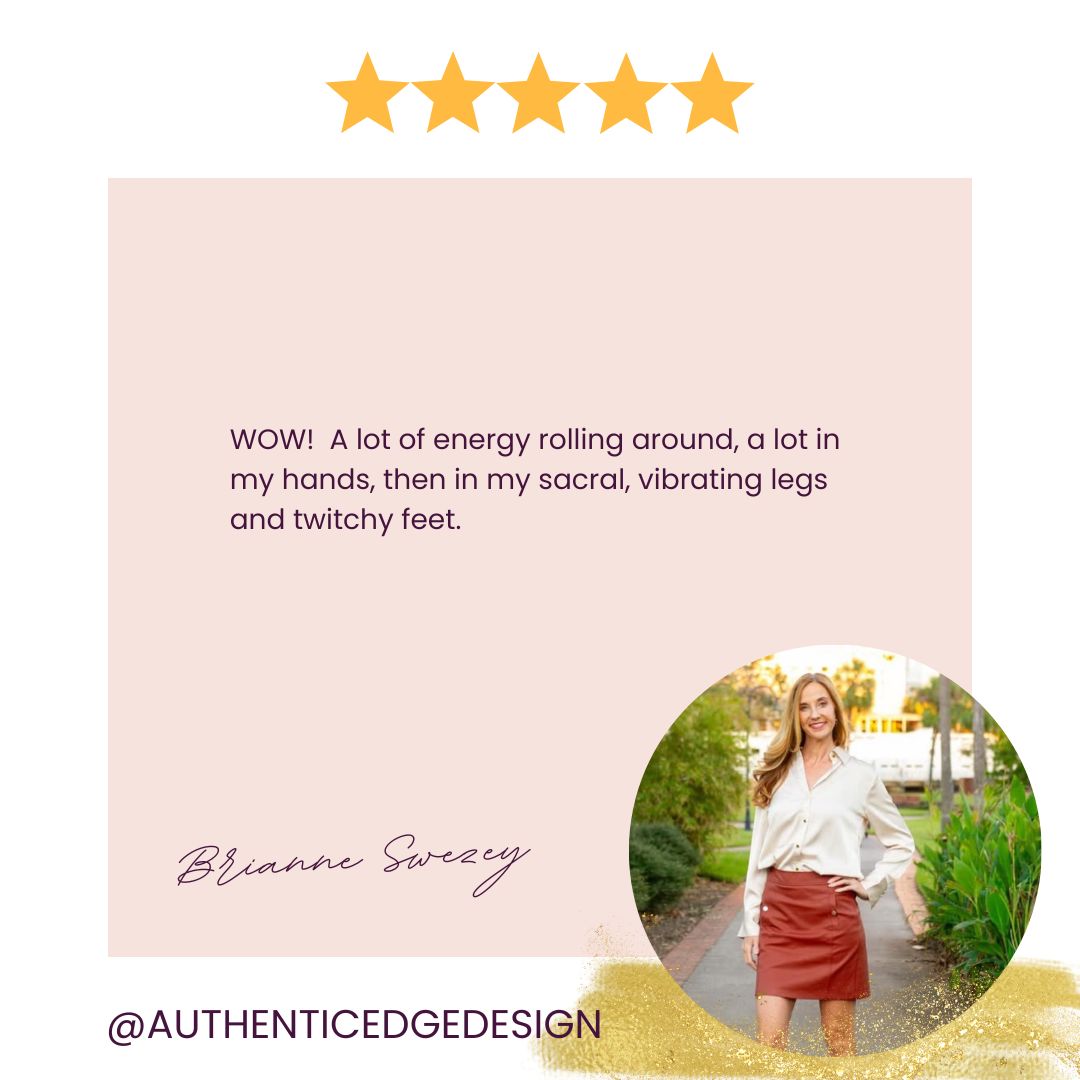
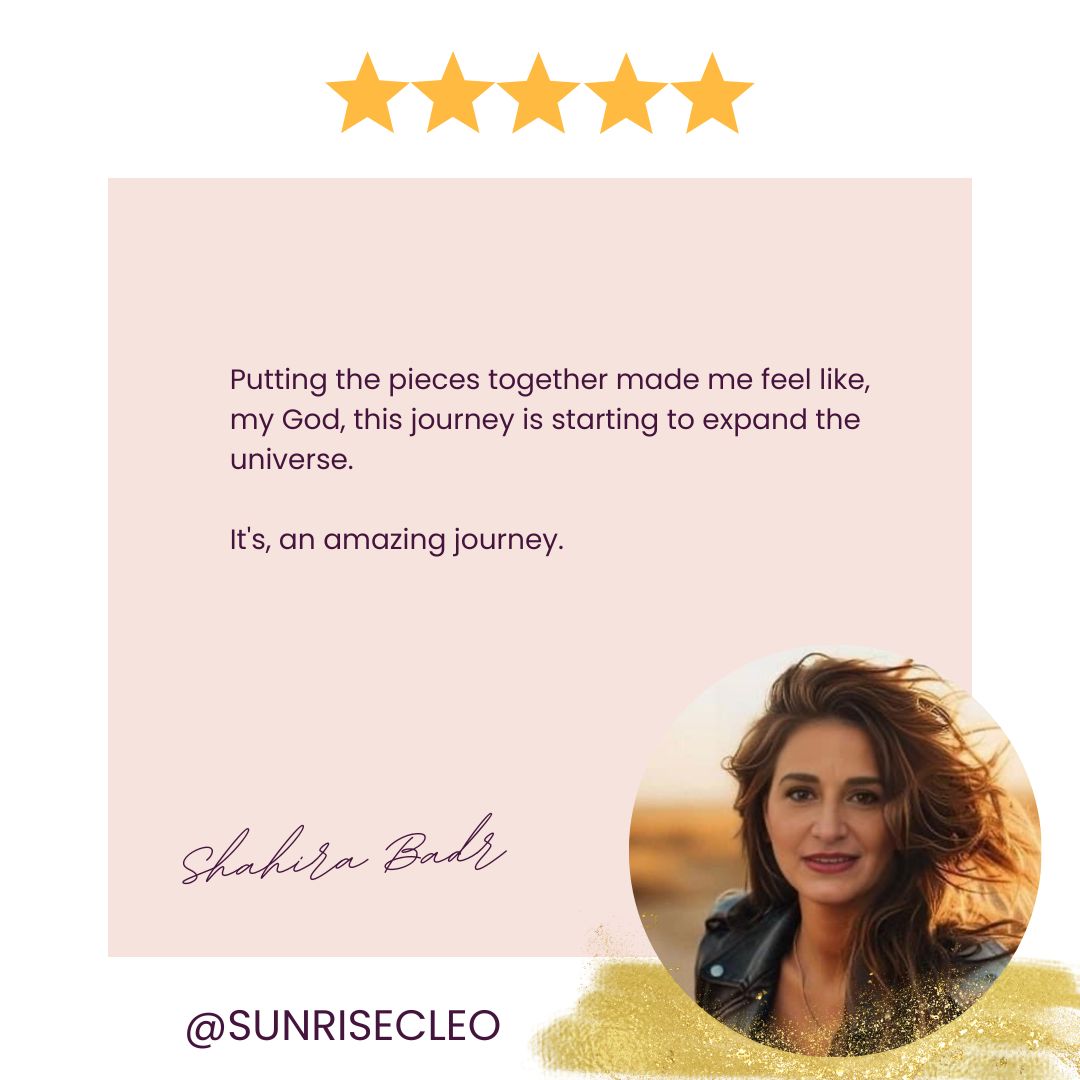
Are you ready to let it go?
frequently asked questions
How long is this breathwork journey?
The Journey to Letting Go is 75 minutes, with a short intro and closing integration. You can expect to be present for approximately 2 hours in total.
While the experience can feel powerful, it’s guided and supported throughout. You’re never asked to push, force, or override your body. Everyone’s experience is different, and you’re always welcome to slow down or pause as needed.
How will I know if the journey “worked?”
Many people notice feeling different after a session — lighter, calmer, clearer, or more emotionally spacious.
Others notice subtler shifts, such as a quieter inner dialogue, less urgency, or a different relationship to stress.
There’s no single “right” outcome. Breathwork isn’t about achieving a result — it’s about beginning a conversation with your nervous system. What unfolds often continues to reveal itself over time.
How long before I feel the results?
This varies from person to person. Some people notice changes during or shortly after their first session, while others notice shifts unfolding over the following days.
For many, the most meaningful changes come through returning to the practice and allowing the nervous system to become familiar with this state.
How many times should I do the same journey.
You’re welcome to experience the same journey as often as feels supportive.
Many people notice a meaningful difference after one session — and also find that returning helps the body continue to soften and integrate. This isn’t about doing more — it’s about giving the nervous system time and repetition to learn safety.
Some people return weekly or monthly; others come back when life feels particularly full. There’s no “right” frequency.
Is this a replacement for therapy?
No. 9D Breathwork is not a replacement for therapy.
If you’re currently in therapy, breathwork can be a complementary practice that supports awareness and embodiment — but it does not replace professional mental health care.
Can I do breathwork exercises if I’m pregnant?
We do not recommend participating in this breathwork journey while pregnant.
I have cardiovascular issues/ chronic respiratory conditions/have a history of aneurysms and seizures/am on heavy-duty medications, can I still participate in breathwork?
If you have cardiovascular concerns, respiratory conditions, a history of aneurysms or seizures, or other medical considerations, please consult your healthcare provider before participating.
In some cases, modified breathwork options may be available. Your safety is always the priority.
What should I bring to my session?
Wear loose, comfortable clothing and bring anything that helps you feel supported — such as a yoga mat, blanket, pillow, or water bottle.
If you’ve purchased a VIP air bed, linens, blanket, and eye mask will be provided.
What is the VIP Upgrade?
The VIP upgrade offers a more cushioned, supported setup, including a twin air bed with linens, blanket, and eye mask.
Many people find that added physical comfort allows the body to relax more fully during the journey.
Availability is limited and must be reserved in advance.
Is there a money-back guarantee?
Due to the nature of this experience and the care involved in preparation, we do not offer refunds. You can review our refund policy here: https://rewiredtorise.com/refund
If you have a unique situation or questions before booking, please feel free to reach out at [email protected]
Rewired to RISE is a Verified 9D Facilitator
Copyright 2025 . All rights reserved.
Rewired To RISE | Orlando, FL
CONTACT: 407-225-5405 or [email protected]
Privacy | Refund | Terms & Conditions | Shipping Policy